Xiamen Tmax Battery Equipments Limited was set up as a manufacturer in 1995, dealing with lithium battery equipments, technology, etc. We have total manufacturing facilities of around 200000 square foot and more than 230 staff. Owning a group of experie-nced engineers and staffs, we can bring you not only reliable products and technology, but also excellent services and real value you will expect and enjoy.
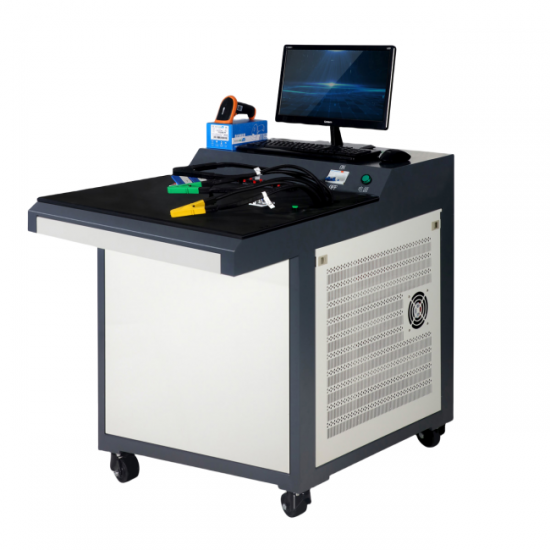
A LiFePO4 Battery Management System (BMS) Tester is a specialized tool designed to evaluate the performance, functionality, and safety features of BMS units used in LiFePO4 battery packs. Given the critical role that BMS plays in monitoring and managing key operational parameters such as state of charge, cell balancing, temperature, and overall health of the battery pack, having an effective testing solution is essential. Here’s what you need to know about LiFePO4 BMS testers:
Key Features of a LiFePO4 Battery BMS Tester
1. Comprehensive Testing Capabilities
Parameter Verification: Tests various parameters including voltage, current, temperature, and state of charge (SOC) readings to ensure they are within expected ranges.
Cell Balancing: Checks if the BMS can effectively balance cells to prevent overcharging or deep discharging, which could otherwise reduce battery life or cause safety issues.
Fault Detection: Identifies potential faults or malfunctions within the BMS, such as communication errors, sensor failures, or incorrect parameter settings.
2. Simulation Functions
Environmental Simulation: Simulates different environmental conditions like temperature extremes to test how the BMS responds under stress.
Load Simulation: Mimics varying load conditions to assess the BMS's ability to manage power delivery and protect the battery from overcurrent situations.
3. Communication Protocol Testing
CAN Bus and Other Protocols: Verifies the integrity of communication between the BMS and other components in the system, ensuring data is transmitted accurately and reliably.
Data Logging: Records all communication data for analysis, helping diagnose issues and improve system design.
4. Safety Feature Validation
Overvoltage/Undervoltage Protection: Ensures the BMS correctly identifies and reacts to voltage levels outside the safe operating range.
Overcurrent and Short Circuit Protection: Validates the BMS’s ability to disconnect the battery in case of excessive current draw or short circuits.
Thermal Management: Checks the effectiveness of thermal management strategies implemented by the BMS to maintain optimal operating temperatures.
5. User Interface and Software Support
Intuitive Interface: Provides an easytouse interface for operators to conduct tests, monitor results, and adjust settings.
Software Updates: Allows for firmware updates to keep up with new standards, protocols, or improvements in BMS technology.
Battery BMS Testing
6. Automation and Efficiency
Automated Test Sequences: Enables running predefined test sequences automatically, increasing efficiency and consistency in testing.
Report Generation: Automatically generates detailed reports summarizing test results, making it easier to document compliance with quality standards.
Benefits of Using a LiFePO4 Battery BMS Tester
Enhanced Safety: Ensures that every BMS meets stringent safety requirements before being deployed, reducing the risk of accidents due to battery failure.
Improved Reliability: By thoroughly testing all aspects of the BMS, these testers help increase the reliability and longevity of battery packs.
Cost Savings: Prevents costly recalls or replacements by catching defects early in the production process.
Regulatory Compliance: Helps manufacturers ensure their products comply with relevant industry standards and regulations, facilitating market entry.
Applications
Manufacturing Quality Control: Used during the final stages of BMS production to verify that each unit meets specifications.
Research and Development: Assists engineers in developing and refining BMS designs through rigorous testing and analysis.
Field Service and Maintenance: Supports maintenance teams in diagnosing and troubleshooting issues with installed BMS units in energy storage systems or electric vehicles.
By employing a dedicated LiFePO4 Battery BMS Tester, manufacturers and service providers can significantly enhance the quality and safety of their battery management systems, contributing to more reliable and safer energy storage solutions.



 réseau ipv6 pris en charge
 fr
fr en
en de
de ru
ru es
es pt
pt ko
ko tr
tr pl
pl th
th


